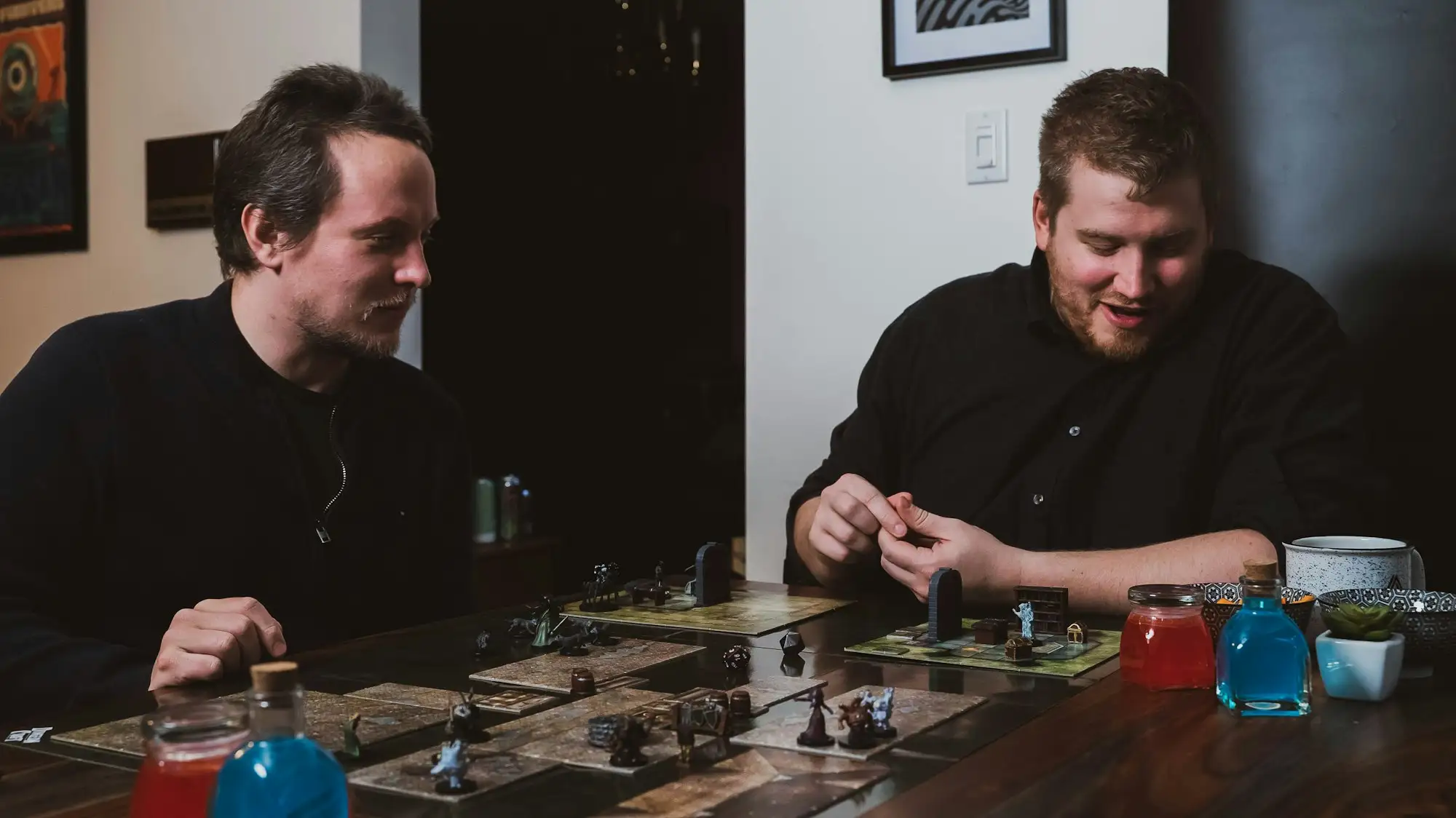
Dungeons & Dragons (D&D) is a tabletop roleplaying game (TTRPG) where a Dungeon Master (DM) runs the story for a small group of players over repeated sessions. A campaign is that series of sessions with the same group.
That table — the same few people, meeting for months — is what usually dies when the calendar slips, not the plot.
ToGethered is a free Telegram bot that helps a regular group keep meeting: each player posts an intent — a plan to be at the spot that night, with how likely they are — and everyone can see the likely table without the DM chasing the chat. See how recurring meetups work, browse other activities, or go back to board game nights.
Why ToGethered fits
- Recurring by nature — exactly the shape ToGethered is built for.
- The group sees the likely table forming without the DM chasing anyone.
- A standing spot and a standing night, with flexible reality on top.
- Optional lift coordination for whoever hauls the books.

RSVP.express confirms the plan — When an informal gathering becomes structured — a tournament, a fixture, anything people must commit to — swap ambient "probably" for firm, countable RSVPs.
Eventius runs the whole event — When the occasion outgrows a gathering entirely, it graduates to full planning: invitations, schedules, who brings what, tasks and budget.
How to keep a D&D campaign meeting regularly
Pick a standing slot
Agree a regular night and a regular place before you worry about Session 12’s plot. Weekly is the usual rhythm for a campaign; fortnightly works if diaries are tight. The important part is the same night and the same table, so nobody has to re-negotiate the calendar every week.
In ToGethered that place is a spot: a flat, a café, a club room, or whoever’s dining table. One of the group adds it once in the Telegram bot, and it stays there session after session. Players who follow the spot — you can filter to the days you actually play — hear when someone posts a plan. Nobody has to create a new event each week.
Agree a quorum, and what happens when someone can’t make it
Before the campaign starts, agree the minimum table you will run with — for example the DM plus three players — and what you do when you are short. Common agreements are: play on with whoever can make it; run a one-shot or a side quest; switch the evening to a board game night; or cancel and keep the next standing session.
These are group agreements, not rules the bot enforces. What ToGethered gives you is the spot-day: everyone’s intents for that night, with how likely each person is, so you can apply the rule you already agreed instead of rediscovering it in the group chat at half past six.
Set a go/no-go cut-off
Pick a time, a day or two before the session, when you will look at the likely table and decide. If the quorum is not there by then, you cancel or switch plans while people can still use the evening. Post or update your intent before that cut-off so the picture is honest.
Treat “maybe” as useful information
A maybe is not a polite yes. ToGethered uses five levels — no, unlikely, maybe, likely, yes — because “I might make it if work finishes” is real information. Only maybe, likely and yes notify people following the spot; no and unlikely stay quiet. Change your mind when you know more — that is expected, not rude. The FAQ covers the scale in more detail.
For the go/no-go, count likely and yes toward the quorum, and decide as a group whether maybes count. Don’t wait for a maybe to become a yes at the last minute if your rule was to play only with a full table.
A message you can paste into the group chat
When you want a nudge in the chat you already use, a short line is enough. This is an illustration, not a real group or place:
Session 12, Thursday 19:00 at the usual table — who’s in?
Please post your plan in ToGethered (yes / likely / maybe / no) before Tuesday evening.
Use session zero to set the schedule, not just the story
Session zero is the conversation a D&D group often has before a campaign, to agree tone, characters and table expectations. Use it for the calendar too: the standing night, the place, the quorum, the cut-off, and what happens when someone is away. Write the agreement down once so you are not renegotiating it every time a player has a clash.
Who hosts, and who brings snacks or books
If you rotate flats, say who is hosting that session in the group chat. If someone is carrying the books, miniatures or snacks across town, they can add a lift on their intent: that they need a ride or can offer seats, from which area, and how many seats. Everyone going can see it and sort it out themselves. ToGethered does not pair people automatically, plan a route, or handle money — the FAQ has the short version.
Questions
How do you schedule a D&D session with a regular group?
Agree a standing night and place, then have each player post an intent for that date in ToGethered — a plan to be at the spot, with how likely they are. The spot-day shows the likely table, so you are not chasing the group chat.
What should we do when a player can’t make it?
Agree this at session zero, not on the night. Common options are to play on with a smaller table, run a one-shot, switch to a board game night, or cancel. Use the spot-day before your cut-off to see whether you still have quorum.
How should we treat a “maybe”?
Treat it as uncertain, not as a yes. In ToGethered, maybe notifies people following the spot, the same way likely and yes do, and the player can change it later. For a go/no-go, decide in advance whether maybes count toward your minimum table.
Does the Dungeon Master have to chase RSVPs?
No. Each player posts their own plan. The DM can open the spot-day to see who is likely at the table, the same as everyone else. ToGethered is built so a recurring group does not need someone to host an event and chase replies every week.
What is ToGethered, in one sentence?
ToGethered is a free Telegram bot for recurring informal gatherings: you follow a spot, post how likely you are to be there, and see who else is coming.
Also in Board Games
The same idea, somewhere else.
Spending time together matters.
Everything else here is just plumbing. Pick a spot, say when you are going, and let the people who would have come anyway find you.
Get ToGethered