

 Photo
PhotoFootball
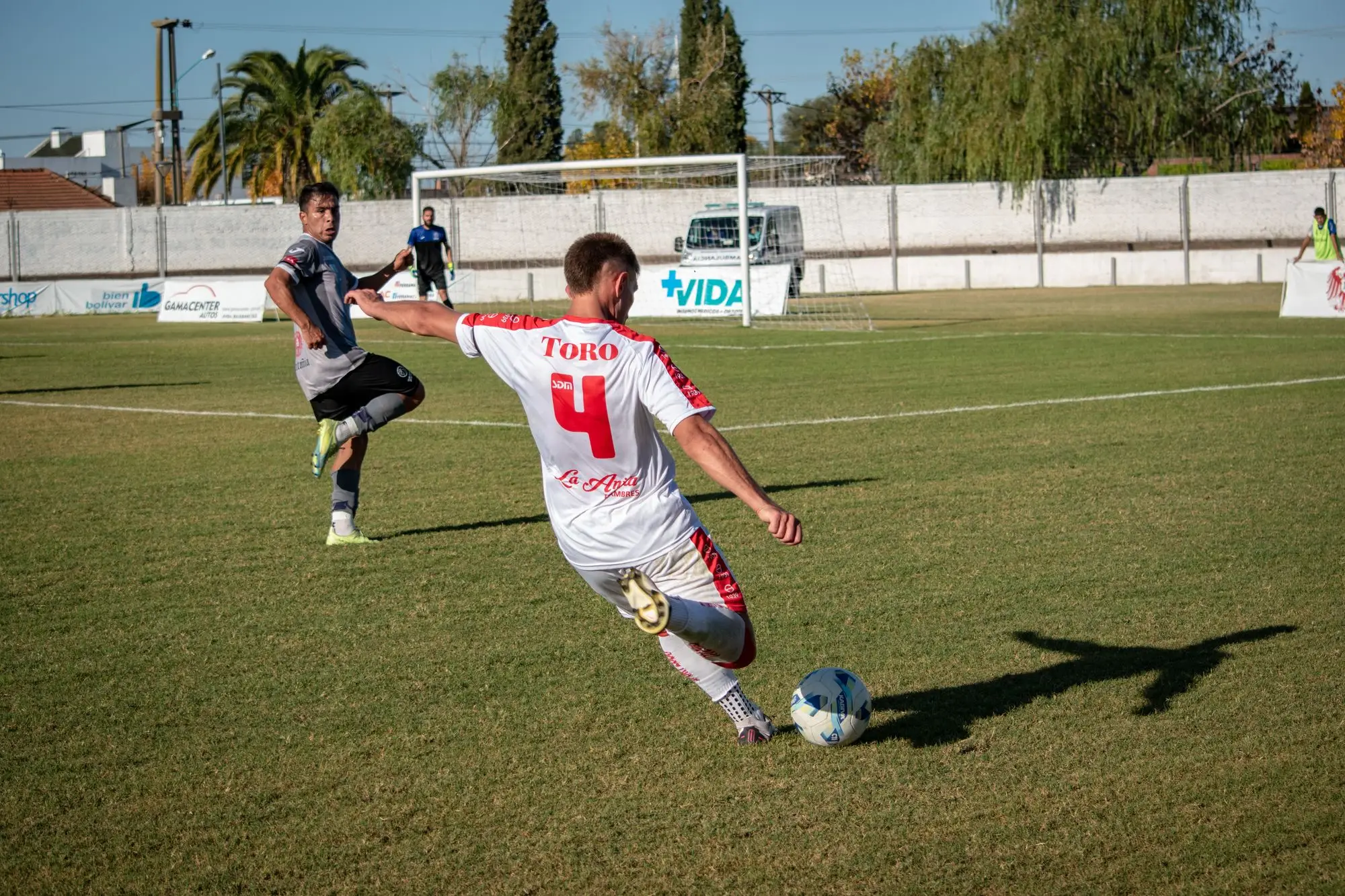
The whole side, muddy and grinning, after a game that nearly did not have enough players.
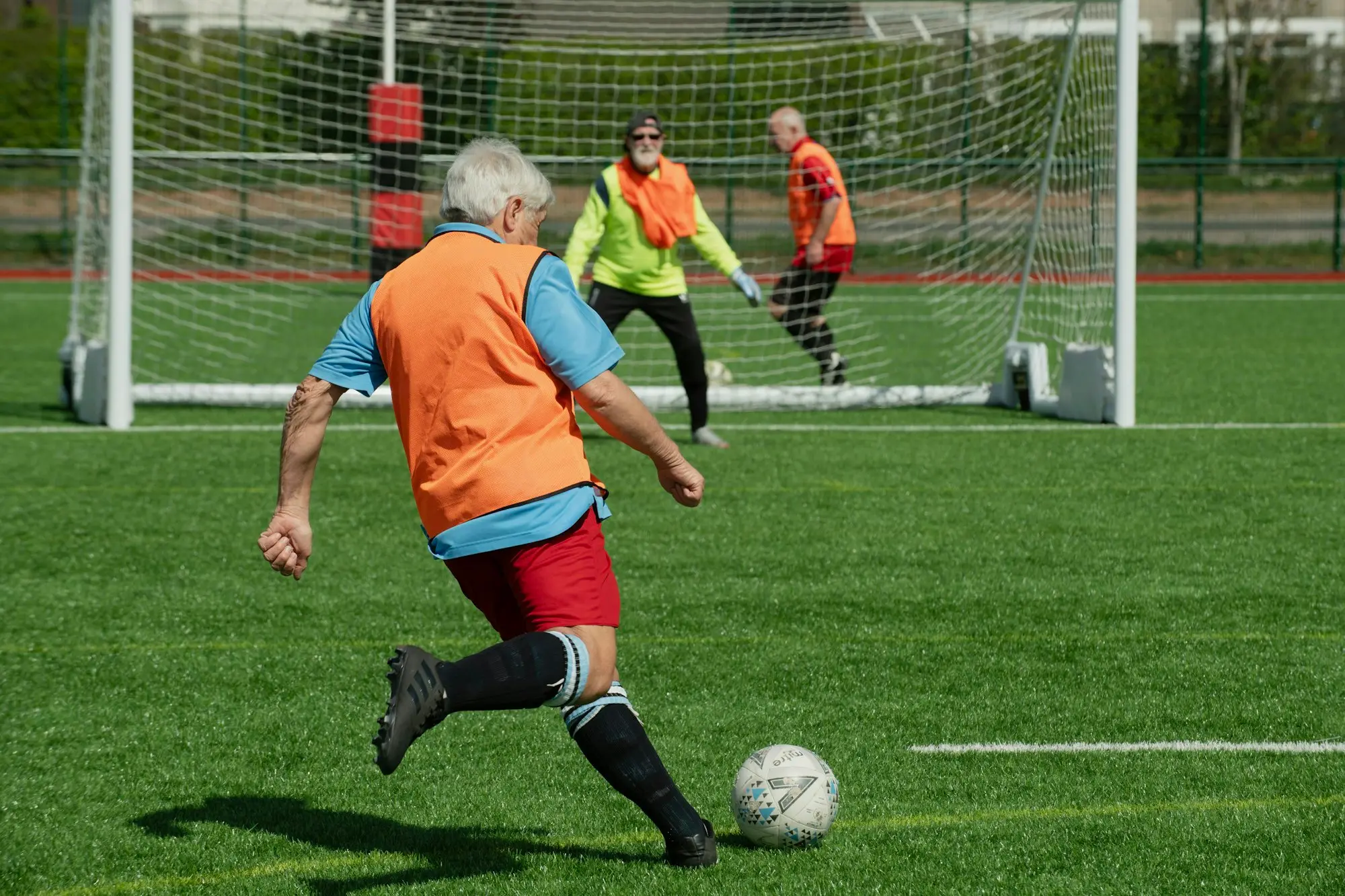
Less coordination. More together.
The problem
Twenty messages to find out four people are free. A poll nobody answers. One person quietly doing all the organising until they stop, and then it just… stops happening.
Recurring informal gatherings do not need a project. They need a shared place to say I’ll probably be there around six — and to see that five other people said the same thing.
That is the whole product. Everything else is optional.
How it works
No host. No guest list. No invitations to chase. You are not organising an event — you are telling the people who already care where you will be.
The court, the beach, the café, the trailhead. A spot is permanent — it outlives any one session, and the regulars are already there.
A date, roughly when, and how likely you are — from maybe to yes. Honest beats definite. Change it whenever you like.
Everyone following that spot finds out. Enough people say yes, and the thing happens — without anyone having run it.
Chat bots
The hardest part of a gathering tool is not the software — it is getting eight people to install something. So don’t. ToGethered lives in the chat your group is already in.
Working today. Follow a spot, say you are going, and hear when someone else is — without leaving the chat.
Where most groups actually argue about kick-off time. Same bot, same account — we want it, and it is not built yet.
Add ToGethered to ChatGPT, Claude or whichever agent you already talk to, and make the plan from there.
AI assistant
Two ways to use it. Add it to the group and it follows along with the thread everyone is already having. Or message the bot on its own and just tell it what you are doing — “at the courts Saturday around six, probably” — the way you would tell a person.
Half the coordination already happens in the chat: “can’t do Thursday”, “Friday works”, “I can take three in the car”. Today someone has to notice that and update the plan. Soon it will notice, and offer to move the session, drop you off the list, or attach the lift.

Lifts
A board that will not fit in a hatchback. A trailhead with no bus. Three bikes and one rack. Say I need a lift or I can offer one, add the area you are leaving from, how many seats, and a note if it helps.
Then two humans sort it out between themselves — which they were always going to do better than an algorithm.
Your plans, your call
Where you are going on Saturday is not a small thing to publish. So it is not published by default — you pick the room.
Keep a gathering to the people you already know, and it behaves like a private group chat. Open it to the regulars at a spot, and you meet the people who love the same thing at the same place. Open it to everyone, and it is a front door. Same tool, three very different Saturdays — and it is your call, every time.
One rule never bends: a signed-out stranger never sees who you are. They can see a place is alive — four people, two swimming — and nothing that identifies anyone. Being findable should not mean being watched.
Just your people
Like a group chat that nobody has to admin. The regulars you already know, and nobody else.
Whoever follows the spot
The people who care about that court, that break, that café. Familiar faces you have not met yet.
Anyone
Open the door. Good for a club that wants to grow, or a night that is better with strangers in it.
If it grows
Most gatherings never need more than the first rung — and that is the design, not a limitation. But when one does grow, the people, the place and the plan travel with it instead of being retyped somewhere else.
Say where you will be and roughly when. Enough people show up. Nobody had to organise anything.
When the gathering turns into an actual match, start a live scoreboard anyone can follow — on a phone, a tablet or the big screen.
When an informal gathering becomes structured — a tournament, a fixture, anything people must commit to — swap ambient "probably" for firm, countable RSVPs.
When the occasion outgrows a gathering entirely, it graduates to full planning: invitations, schedules, who brings what, tasks and budget.
Coming with the app
The point was never the app. It was the evening you nearly skipped, the swell that showed up, the table that finally formed. Moments is where those get kept — photos, clips, stories, scorecards and routes, contributed by the people who were there.
PhotoThe whole side, muddy and grinning, after a game that nearly did not have enough players.
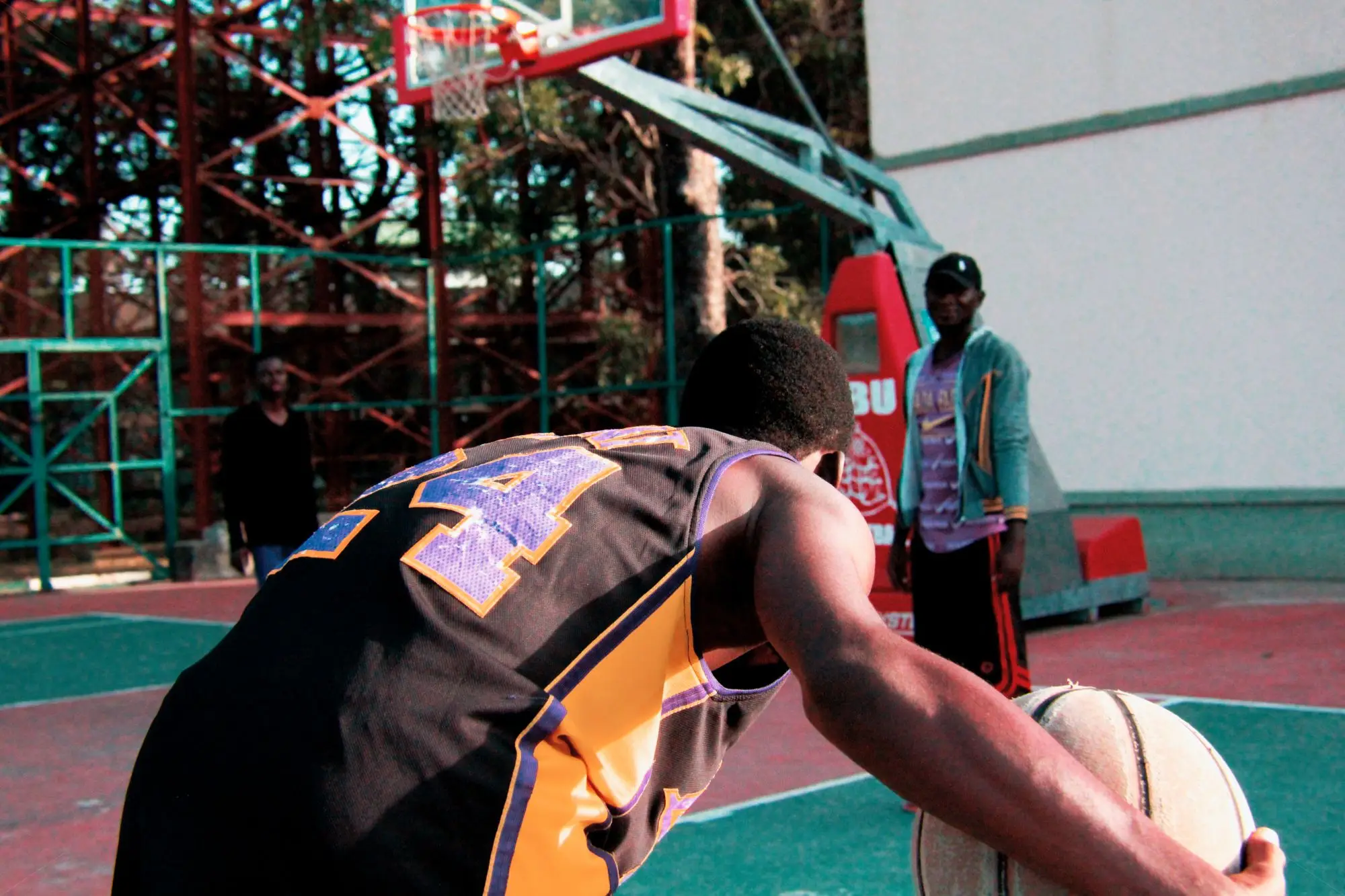 Scorecard
A final score worth keeping, from a court where the teams were picked twenty minutes earlier.
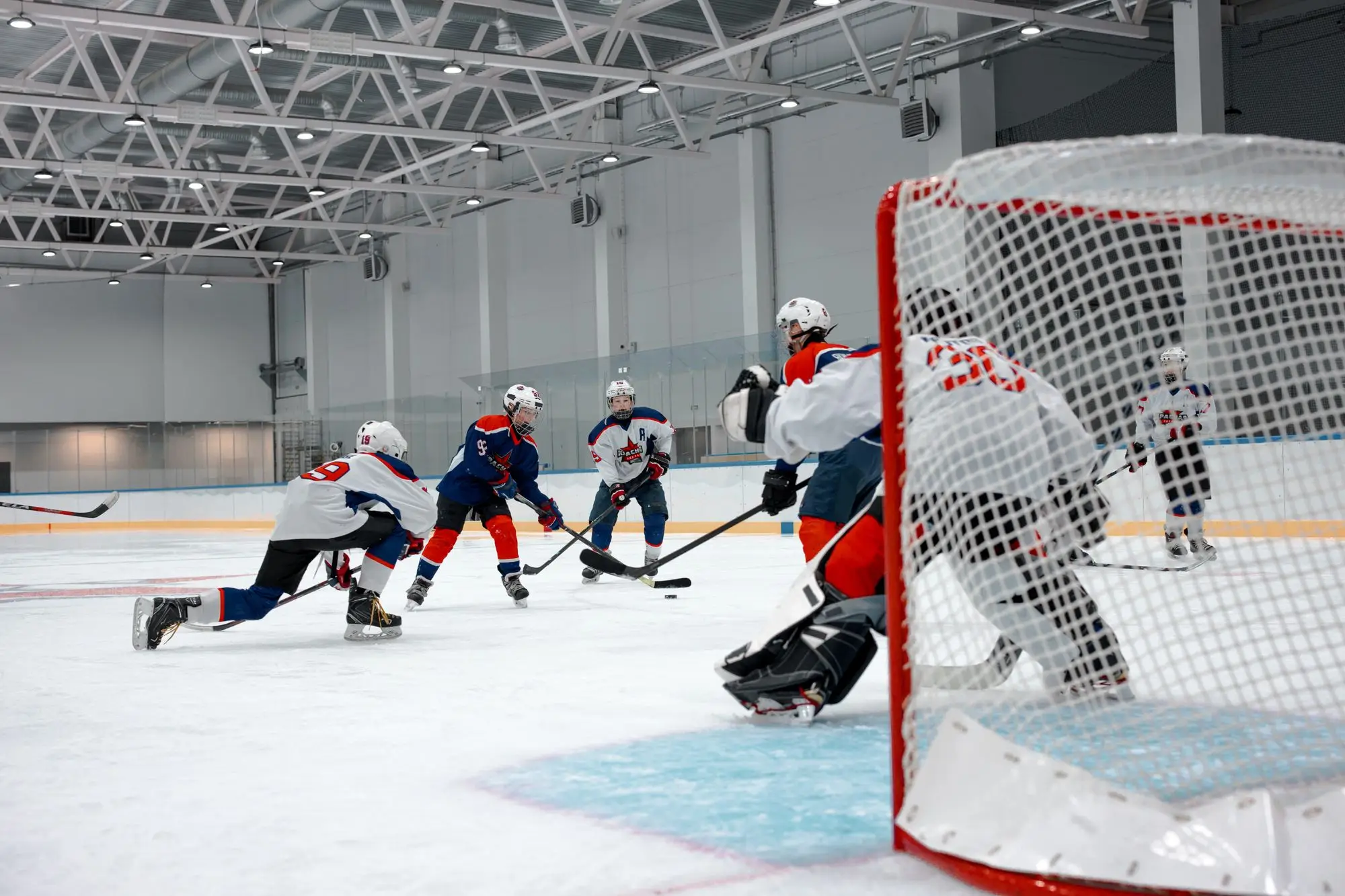 Clip
ClipFifteen seconds of a goal nobody filmed on purpose and everybody wanted afterwards.
 Photo
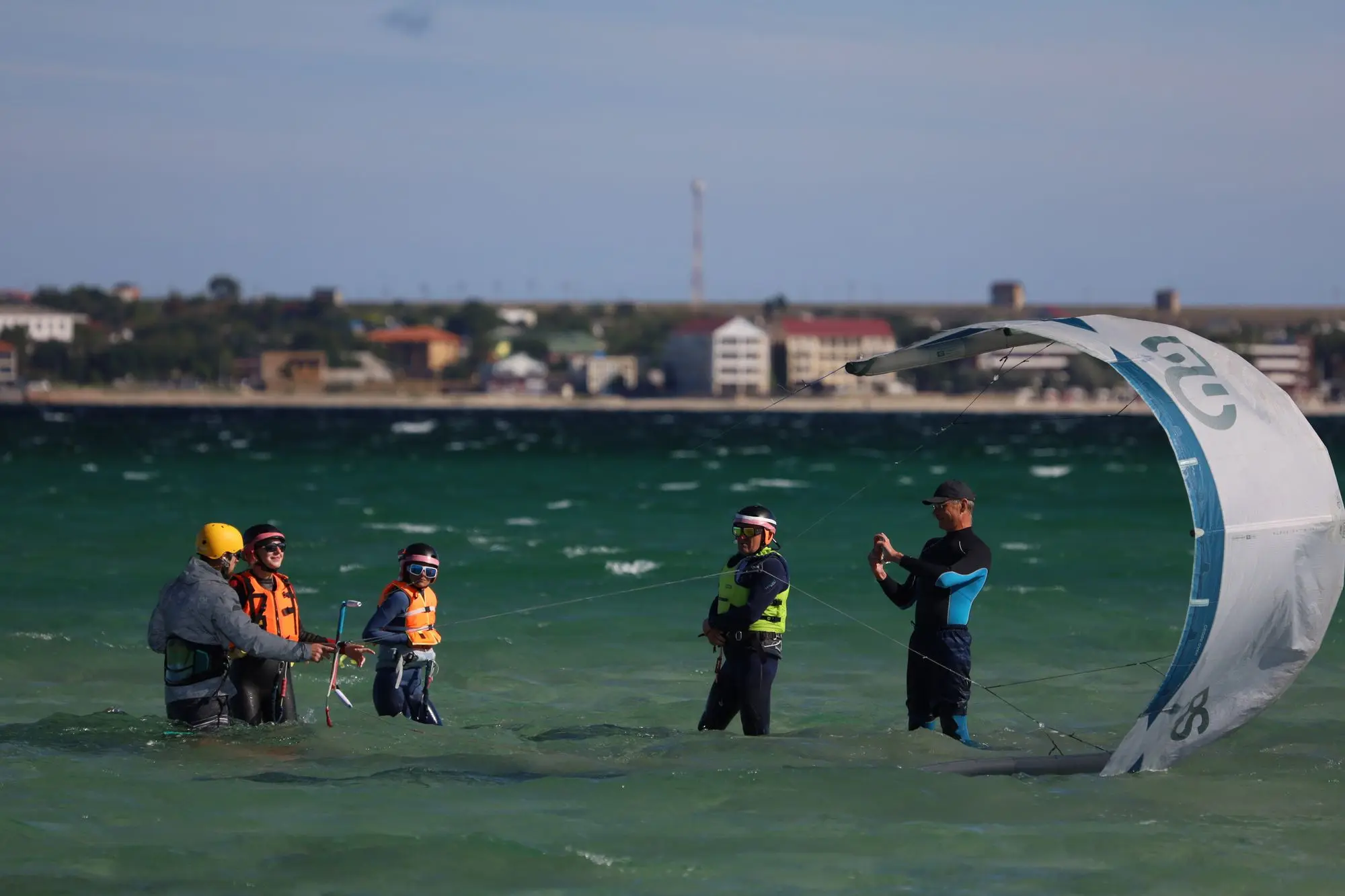
PhotoFour kites up on a window that lasted two hours and was very nearly missed.
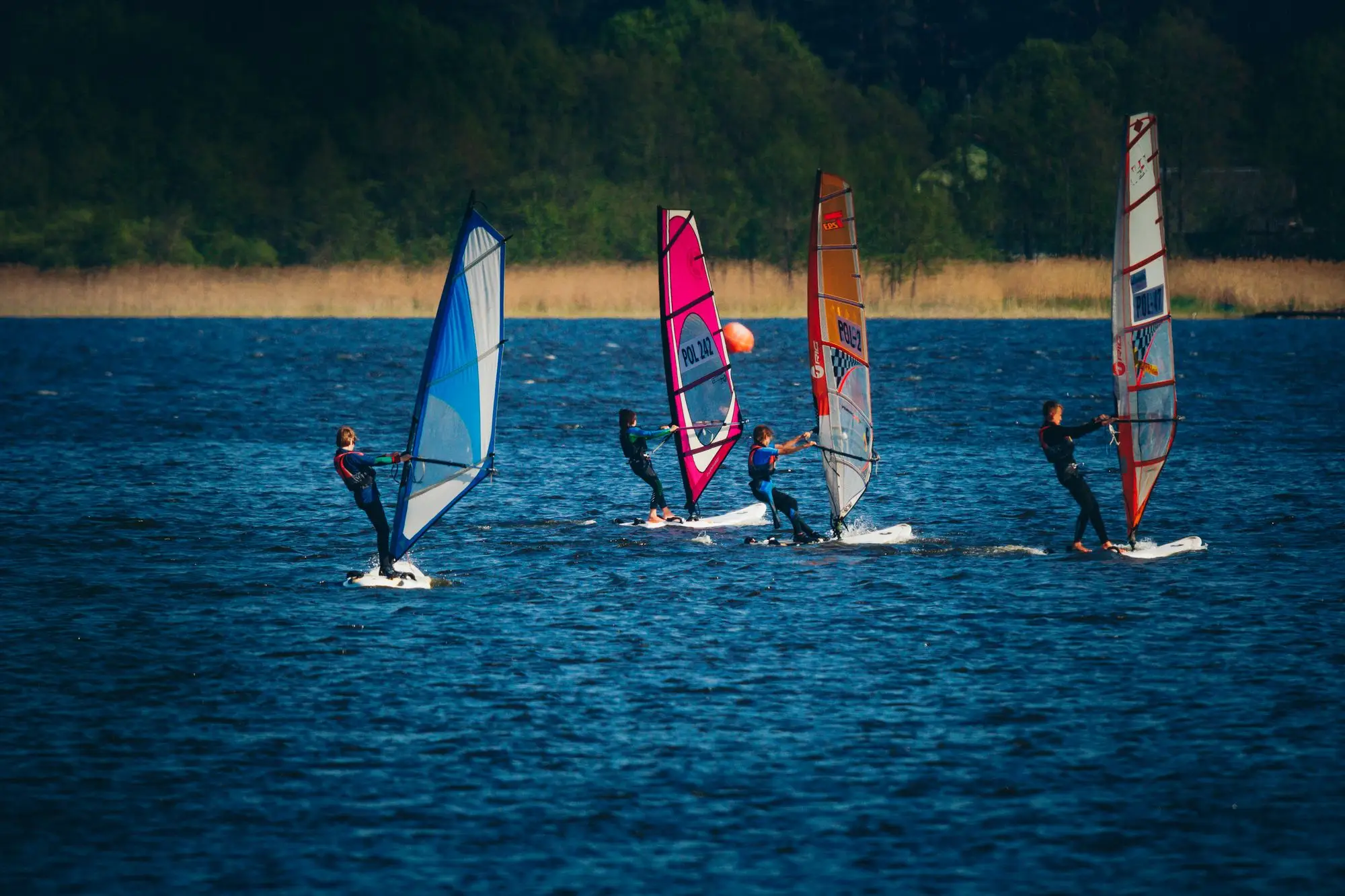 Clip
ClipA first proper planing run, filmed from the beach by someone who offered a lift.
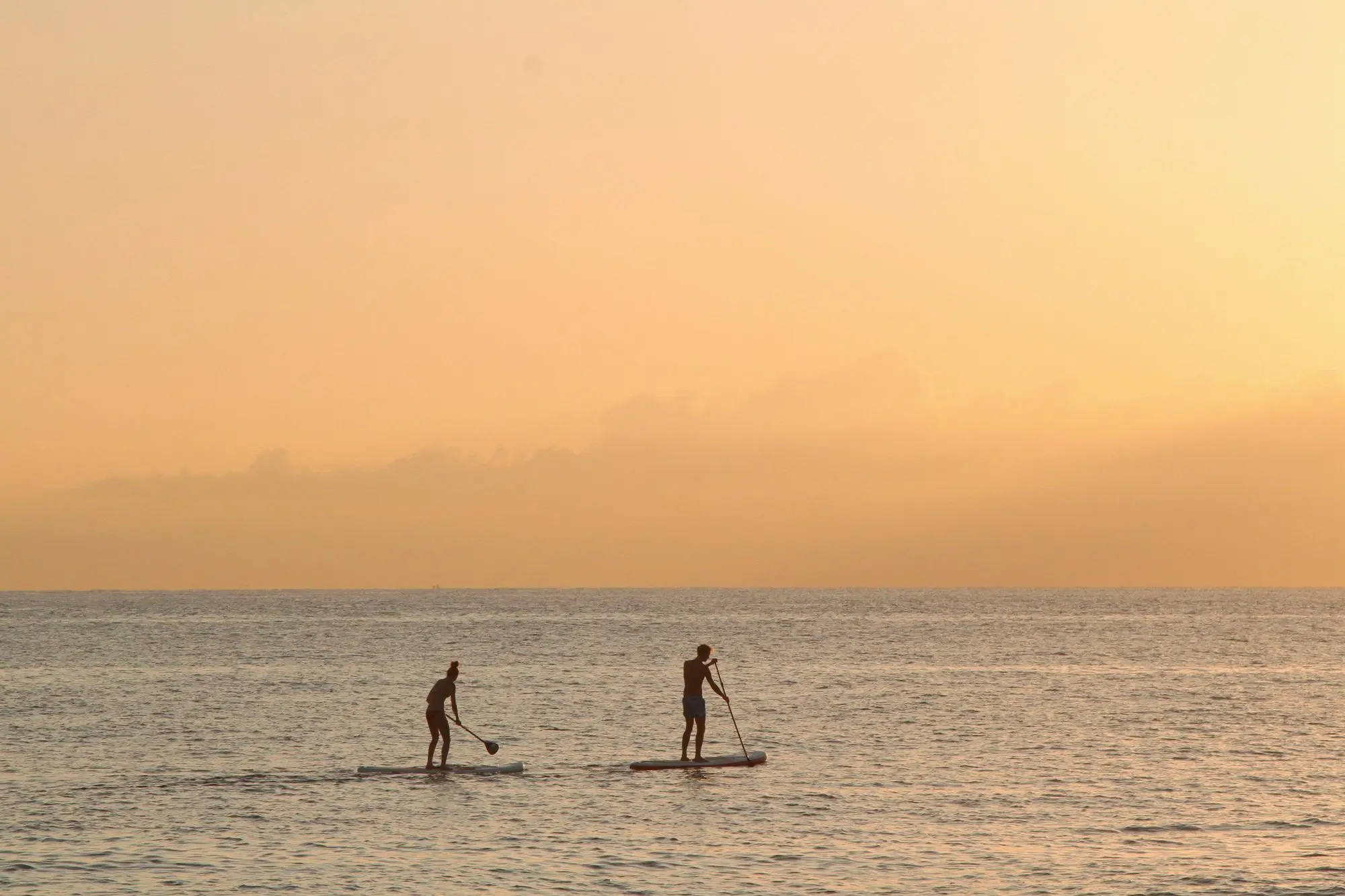 Photo
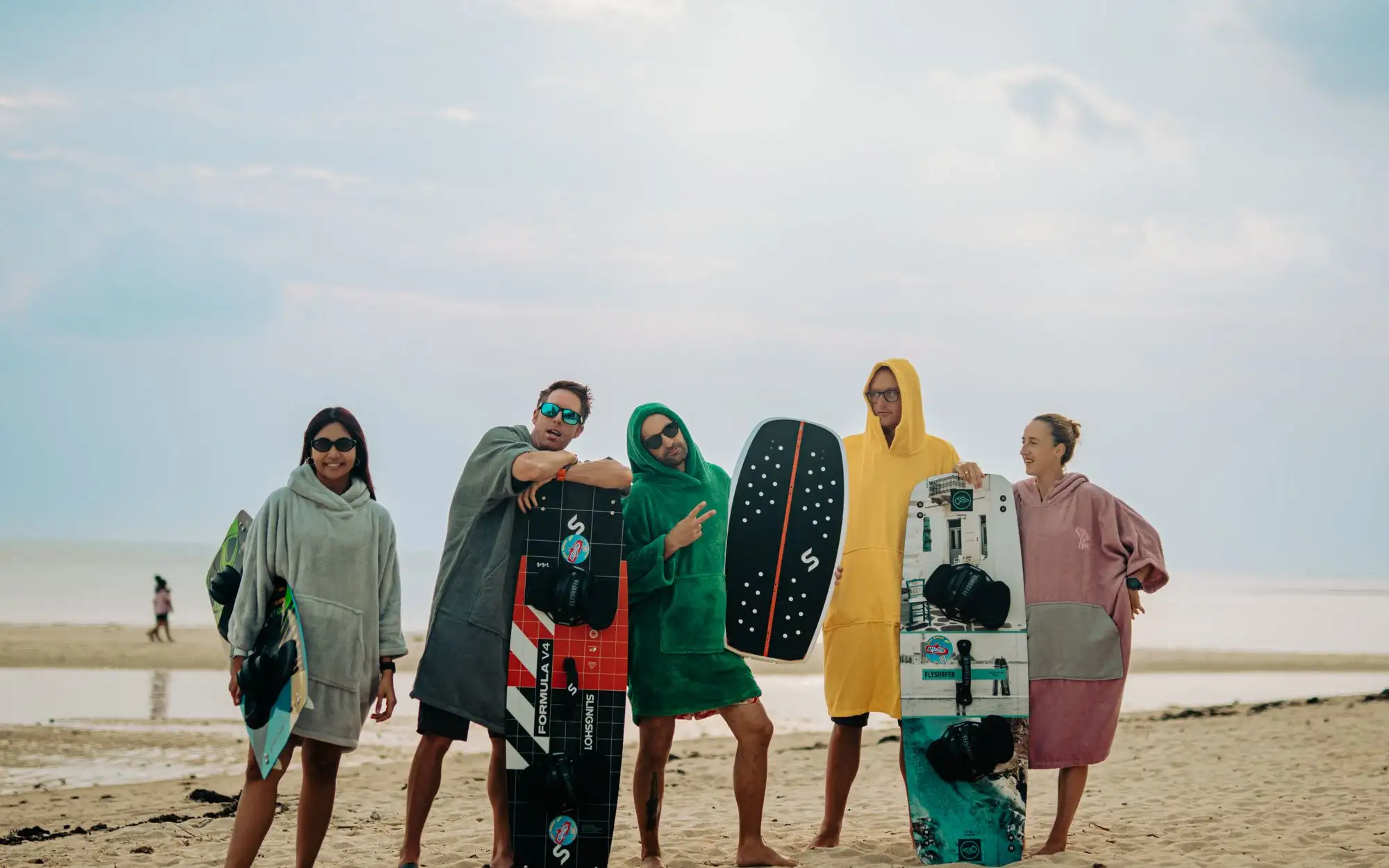
PhotoFlat water, low sun, three boards and nobody in a hurry.
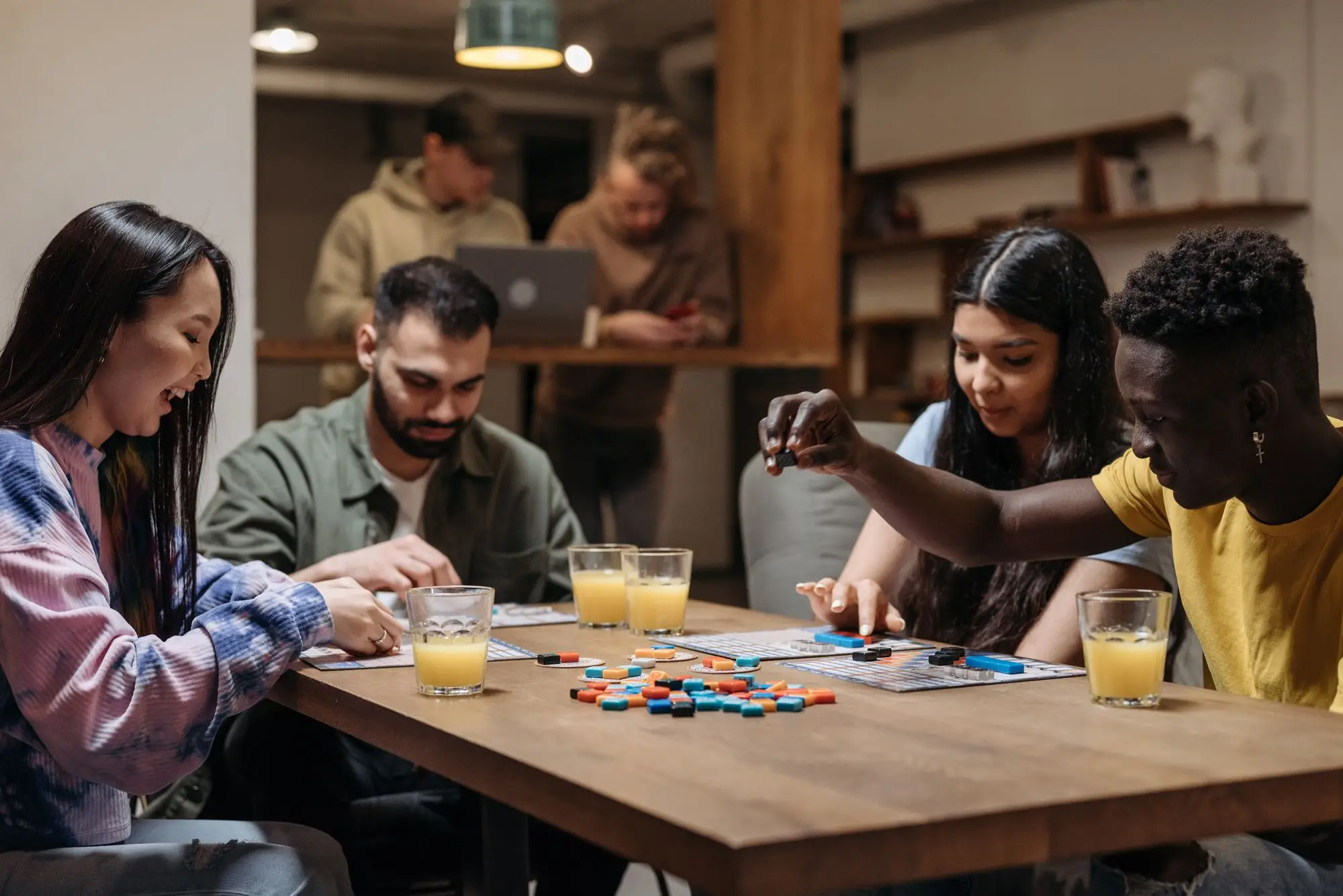 Photo
PhotoThe board at the exact moment the longest road changed hands.
 Memory
The first win against someone who had beaten you every week for a month.
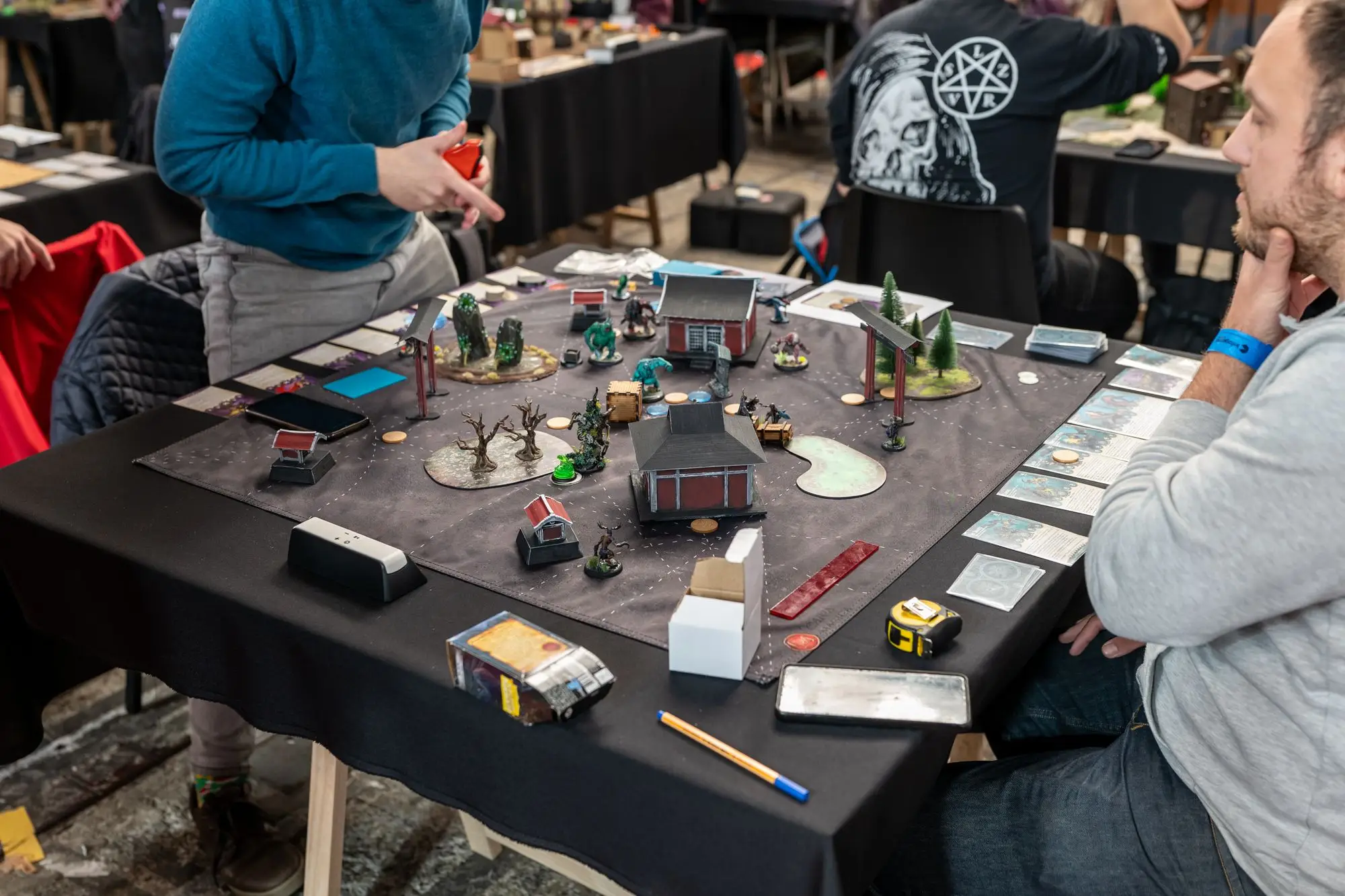 Story
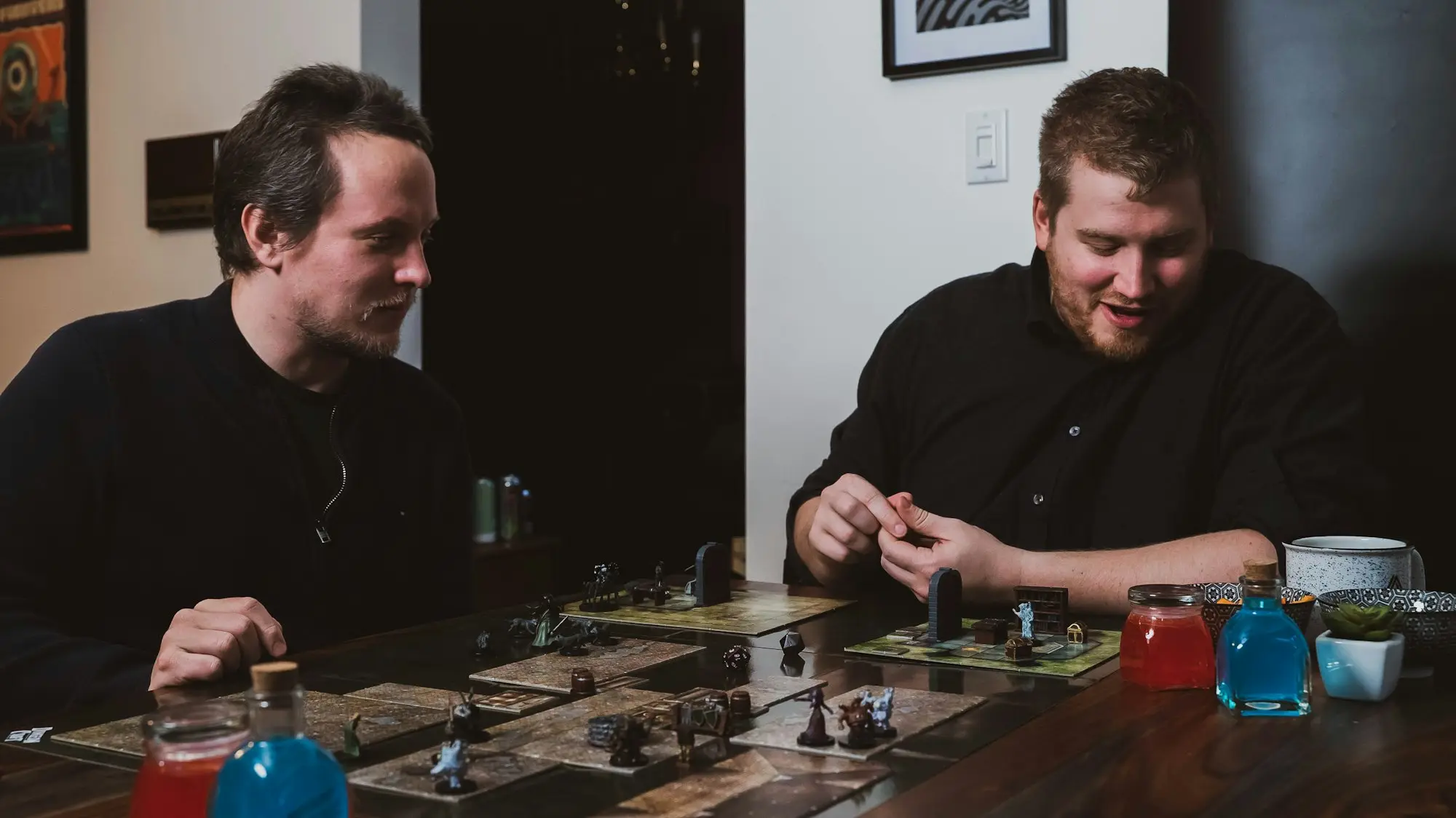
StoryThe session write-up that turned a three-hour argument about a door into a legend.
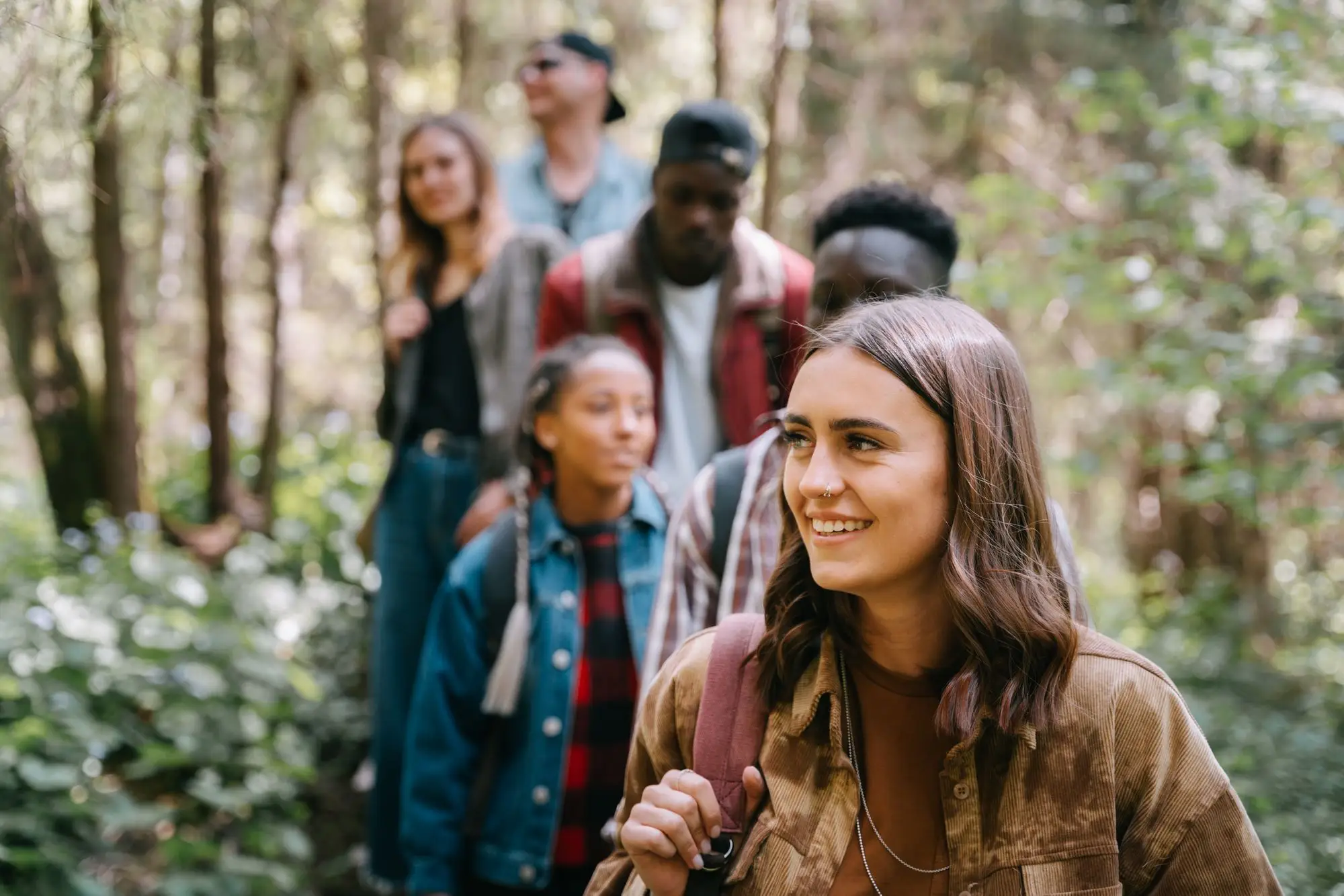 Route
RouteThe ridge line, saved and passed on to the next group who asked where it was.
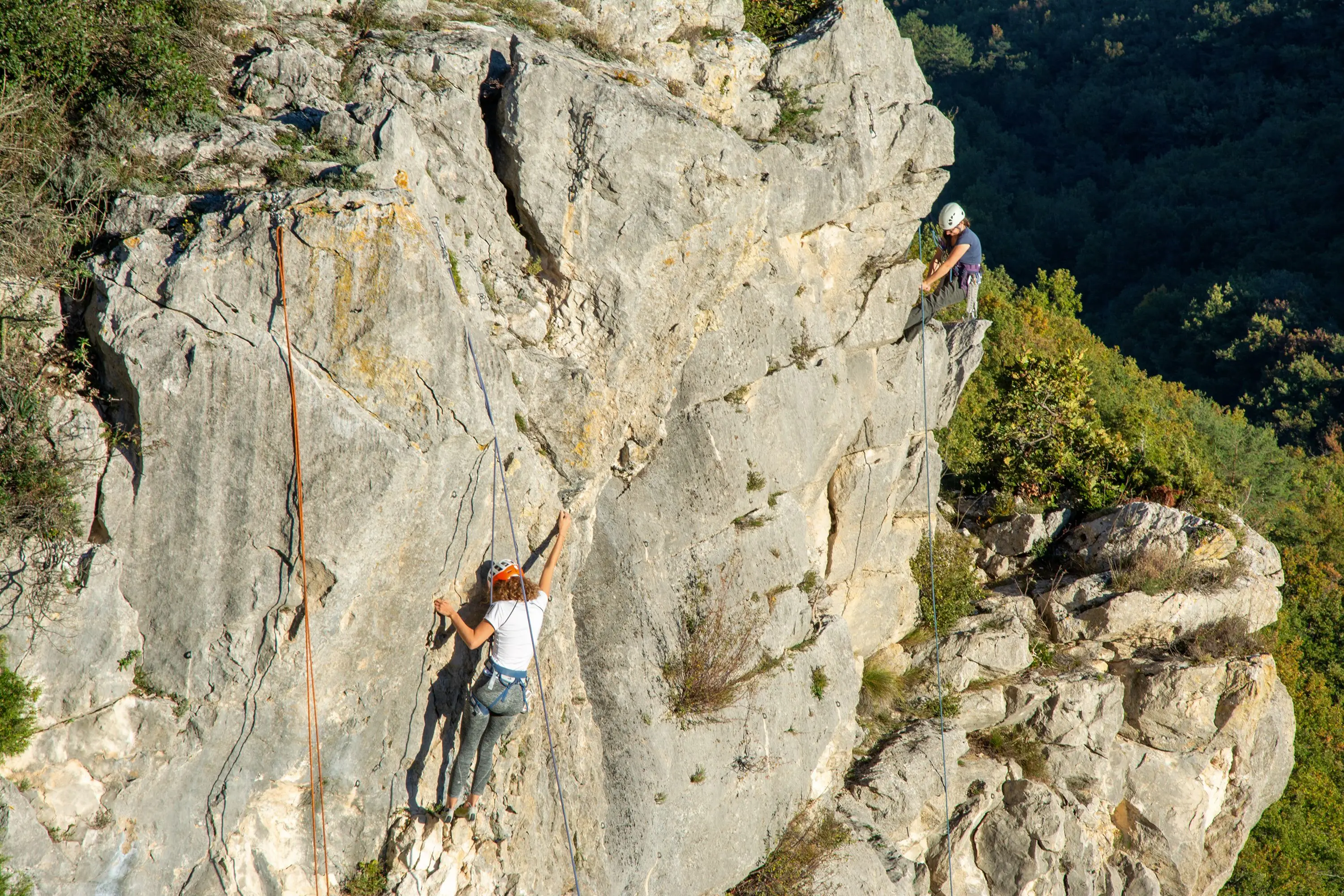 Memory
A project finally sent, with the person who belayed it every attempt.
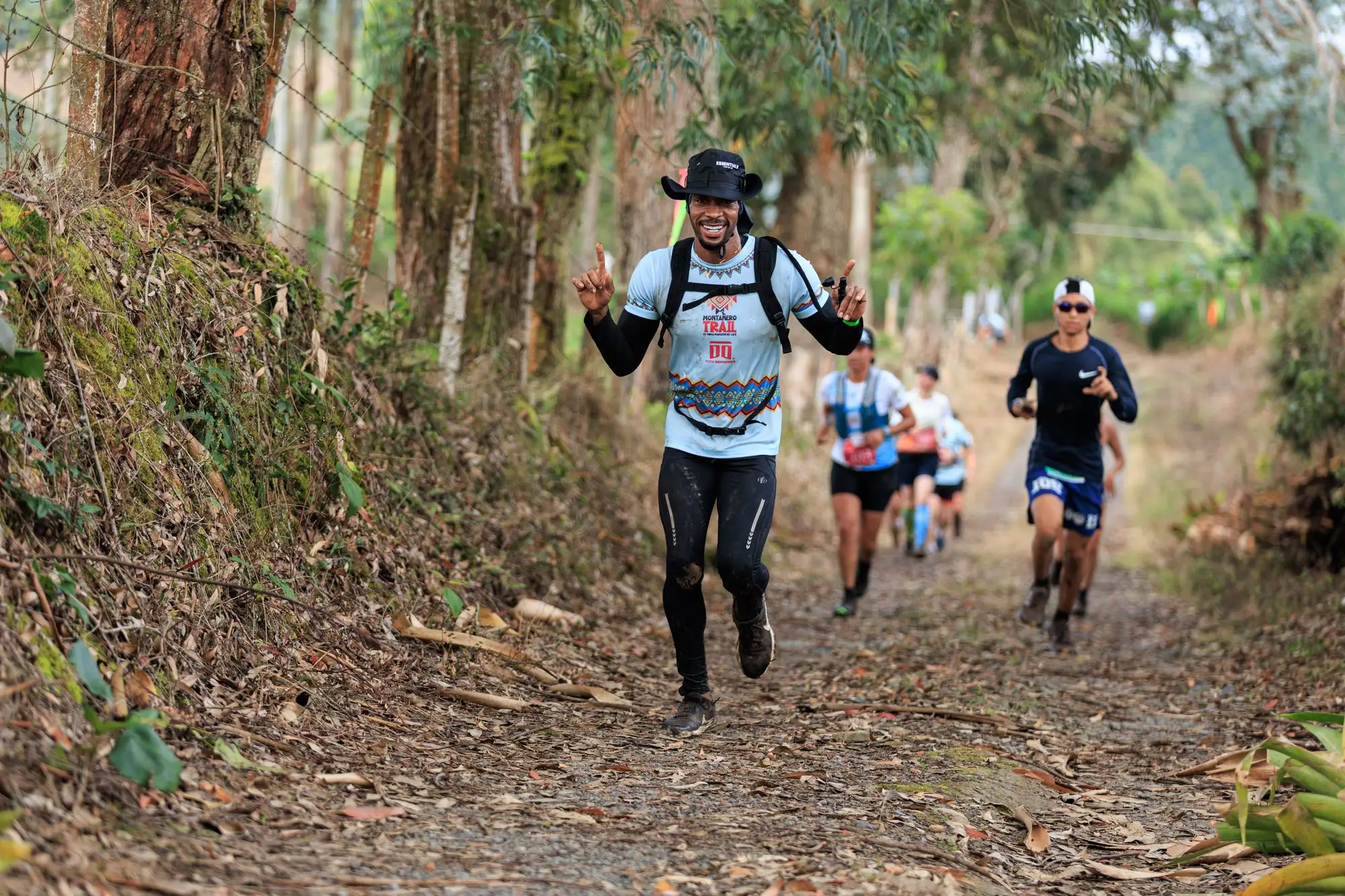 Photo
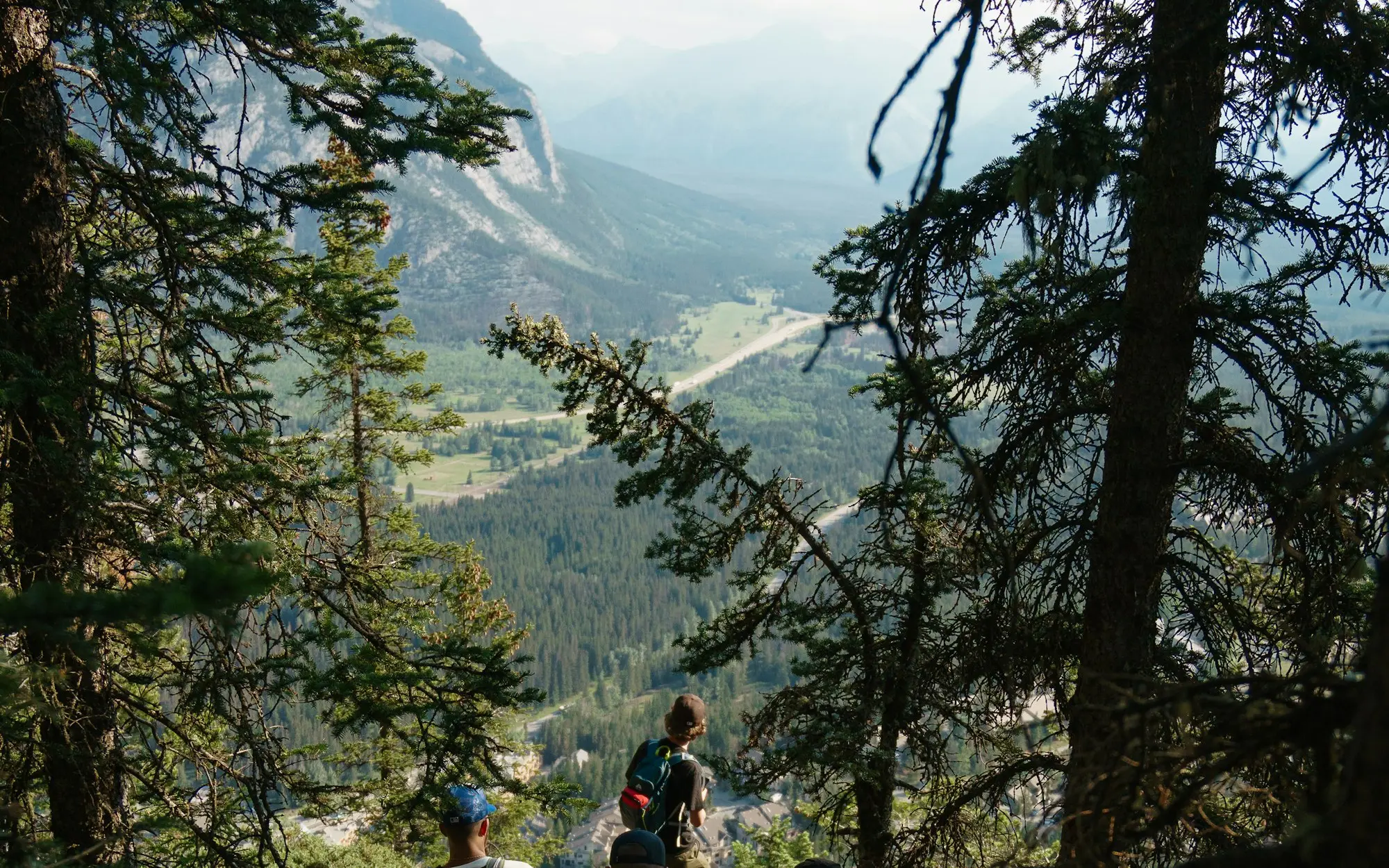
PhotoSix people at a gate at six in the morning, which is its own achievement.
 Photo
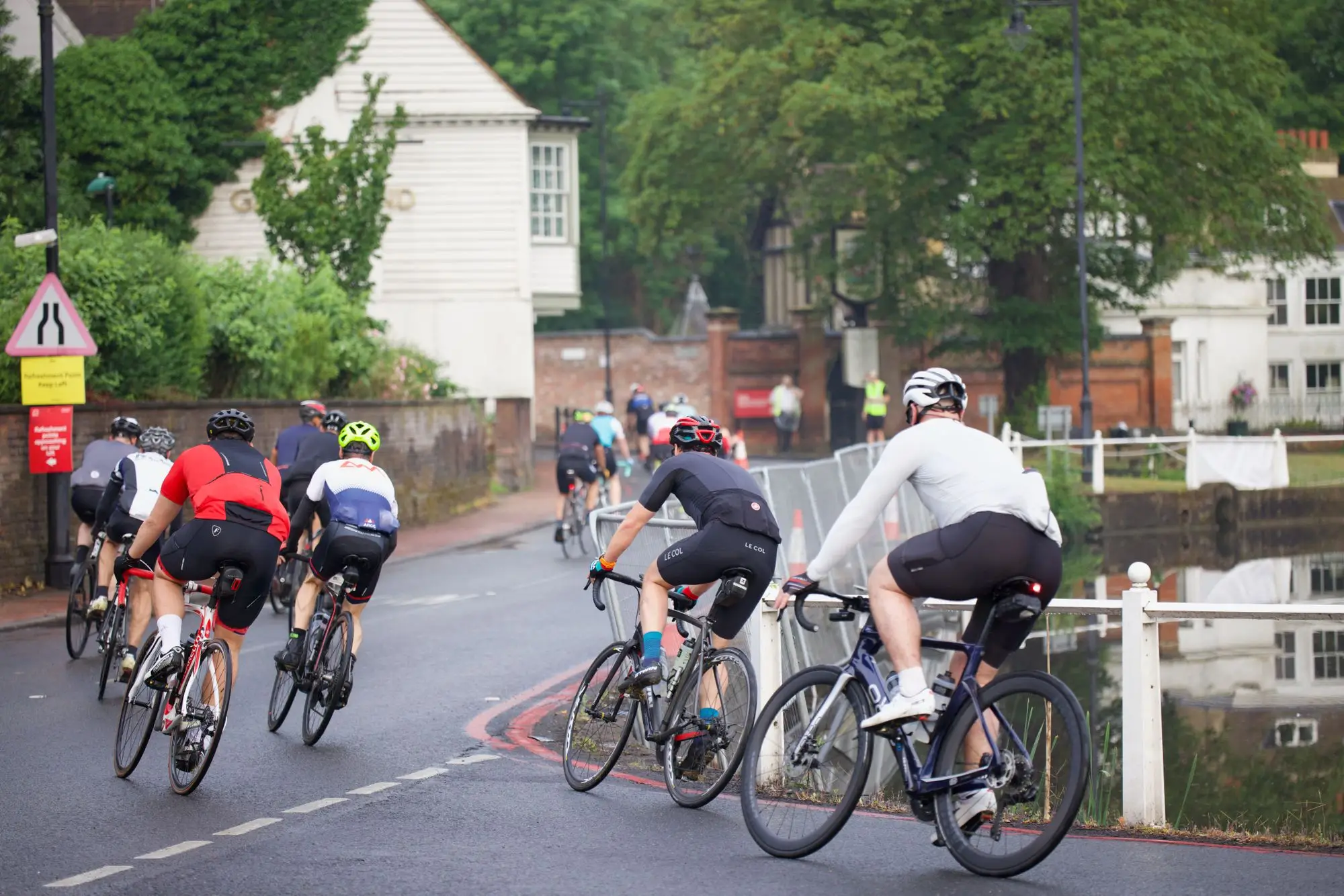
PhotoThe café stop that is, if everyone is honest, the actual reason for the ride.
 Route
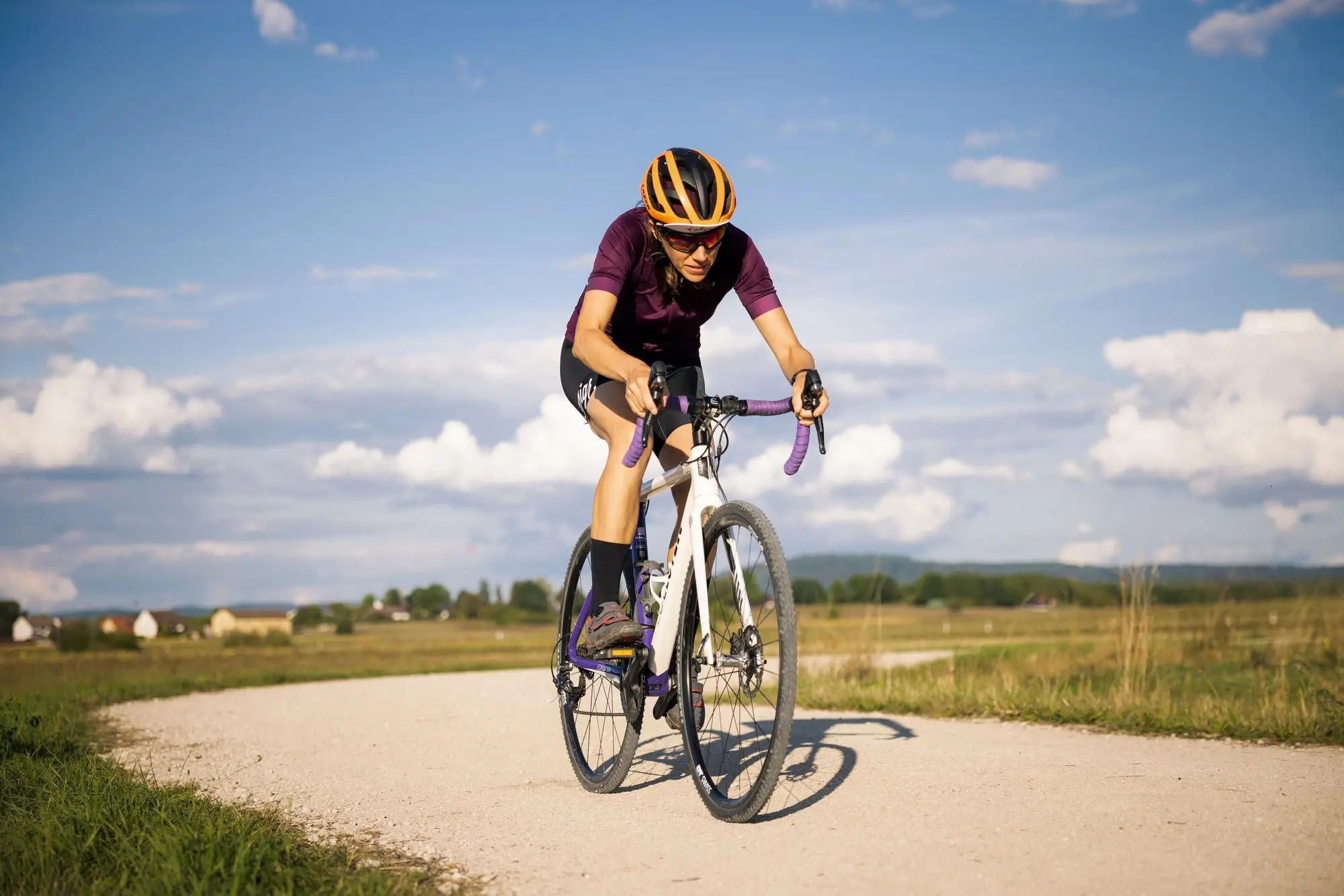
RouteA loop that turned out far better than the map suggested, shared so others can steal it.
 Clip
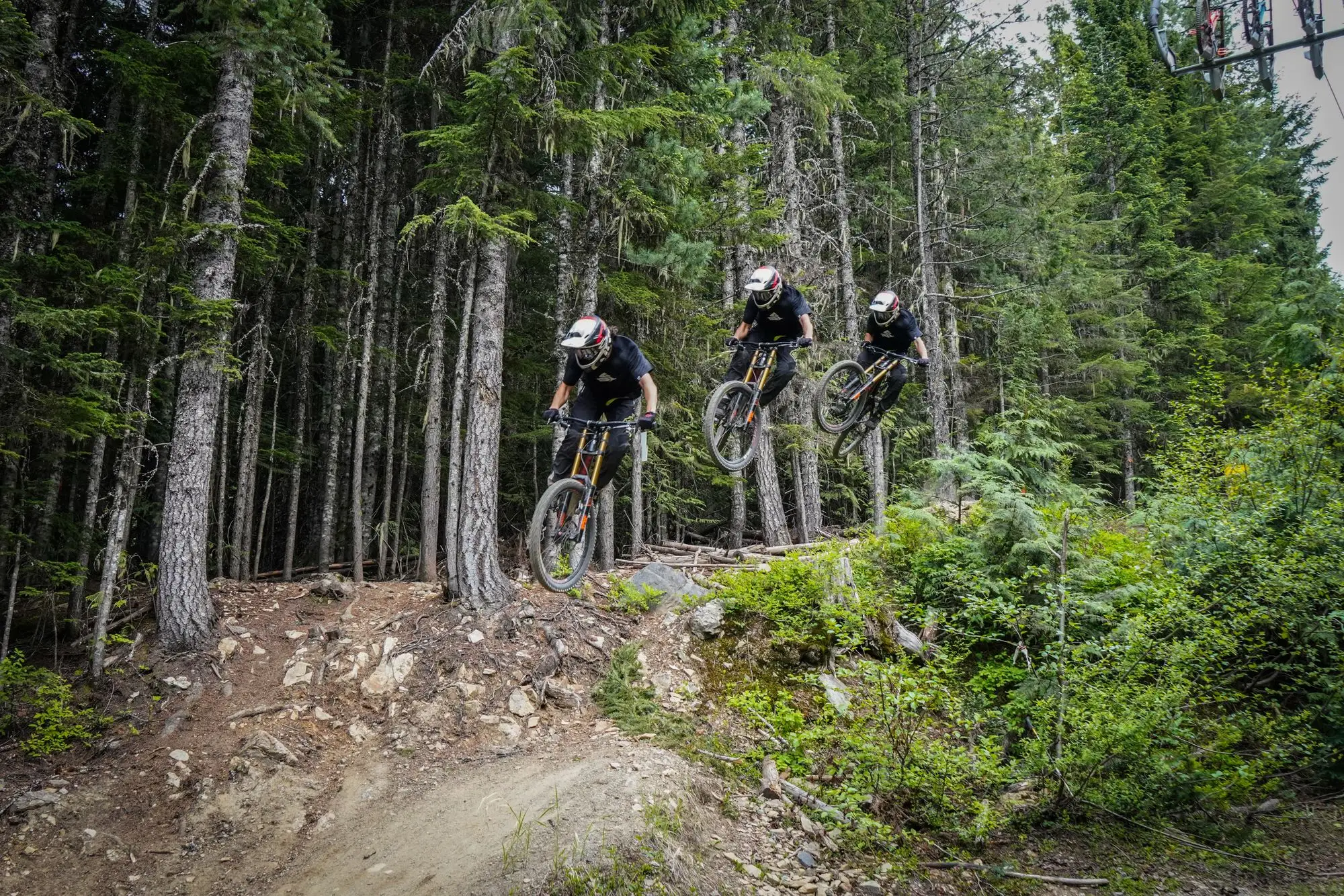
ClipA clean run through the section everyone else walked.
These are illustrations of the idea, not real contributions — Moments ships with the app, and we would rather show you the concept honestly than invent a community that does not exist yet.
Everything else here is just plumbing. Pick a spot, say when you are going, and let the people who would have come anyway find you.
Get ToGethered